

You’re diving into the world of RPG character build, huh? I get it. It’s a rabbit hole, full of choices and pitfalls.
You’re asking yourself: How do I create a character that’s not just solid but also fun to play? It’s a dance of stats, skills, and a bit of luck.
But let’s be real: the internet is flooded with advice, from the useful to the downright useless. Why trust this article? Because we’ve sifted through the noise, talking to top gamers and dissecting the latest trends.
We know what works and what doesn’t.
You want a character that stands out, not just another cookie-cutter mold. I’ll show you how to make decisions that impact gameplay in a meaningful way. No fluff, just straight talk on building a character that’s engaging and changing.
Stick around, and you’ll walk away with takeaways that actually improve your gaming experience. Let’s get into it.
Beyond the Stat Sheet: Why a Great Character Is Your Most Solid
Why do I think a character’s personality matters as much as their Strength score? Because it’s your window into the game world. When we talk about an RPG character build, it’s not just about stacking stats.
Think of it like this. Imagine a generic Elf Ranger. Okay, now picture an Elf Ranger exiled for using forbidden magic, who distrusts authority but misses the trees.
You get it, right? The difference is night and day.
Character depth creates story hooks that make player choices meaningful. Suddenly, reactive gameplay becomes proactive storytelling. You aren’t just facing off against enemies; you’re dealing with personal vendettas and long-lost loves.
It’s like your character is writing the narrative with every decision.
So, why settle for bland when you can have a character that brings the game to life? This isn’t just more fun for you; it makes the game engaging for everyone at the table. Need more advanced strategies to dominate games like this?
Check out this topic.
Let your character be the hero of their own story. Trust me, the game gets more interesting when personalities clash, and stories unfold naturally.
The Three-Pillar Method: Crafting Memorable Characters Fast
Ever tried creating an RPG character build that stands out? It’s tricky, right? Here’s where the “Three-Pillar Method” steps in.
This approach is simple. It’ll give your character a solid foundation in minutes.
First, the High Concept. Think of this like a movie pitch: fast, catchy, and intriguing. Picture a goblin tinkerer convinced technology is the new magic.
Or maybe a stoic bodyguard haunted by a past failure. These quick descriptions hook you immediately. They set the stage for everything that follows.
Next, let’s talk about Core Motivation. You need one strong desire. It’s what drives your character.
Redemption, discovery, maybe even revenge. One solid motivation beats ten weak ones every time. Why?
Because real motivation means real depth. It’s what makes the character relatable and interesting. You feel that drive, and so does the character.
Finally, we have the Defining Contradiction. This is where things get spicy. It’s the internal conflict that makes a character unique and memorable.
Imagine a fearsome warrior who’s terrified of the dark. Or a charming thief who’s brutally honest. These contradictions are where your character surprises even themselves.
And isn’t that what we love about stories?
To dive deeper into building unforgettable characters, check out this rpg character build. It’s a goldmine for anyone looking to enrich their storytelling and gameplay.
So there you have it. Three pillars. High Concept, Core Motivation, and Defining Contradiction.
Use them and watch your characters come to life.
Crafting a Backstory That Actually Matters
Let’s talk about backstories. They can be a real trap for the RPG character build. We all know someone who’s written a 10-page saga that never sees daylight in the game.
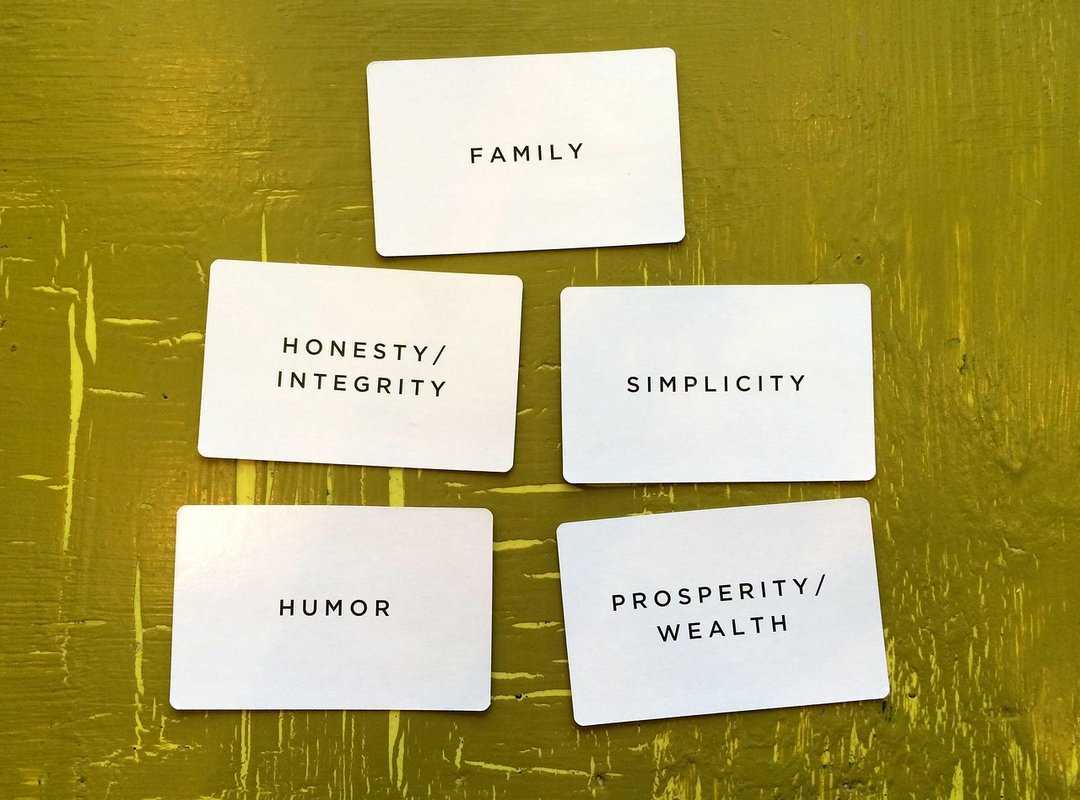
It’s like writing a novel no one reads. You get sucked into the rabbit hole of details that don’t drive the game forward.
I say let’s keep it simple. Focus on a gameplay-focused backstory. The past is just a teaser for the future. the fun is, right?
Plot hooks, not plot dumps.
Here’s a quick template to keep you grounded. Ask yourself four questions about your character. One: Who’s a person you left behind?
This can be a friendly NPC. Two: Who wronged you? Your potential rival or villain.
Three: What’s your most prized non-magical possession? It adds flavor. Last but not least, what’s the biggest lie you’ve ever told?
This one’s a goldmine for future drama.
Why leave some questions unanswered? Because life isn’t neat, and neither should your story be. It leaves room for surprise and growth during gameplay.
The unknown is what makes it interesting. Think of it like understanding economics plan games. You never have all the information upfront, which makes it exciting.
Pro tip: When crafting these elements, make sure they can be leveraged during the game. If your character’s lie, for example, gets discovered at a key moment, that’s a game-changer. It adds tension, stakes, and character development.
So, ditch the novel-length backstory. Keep it tight and meaningful. Let your character’s history serve the game, not overshadow it.
You’ll thank yourself later when the story unfolds in unexpected ways. And isn’t that the point? To keep everyone, including yourself, on the edge of their seat?
Now go and write something that actually matters.
Unleashing Your Character’s True Potential: Flaws, Quirks,
Creating a standout RPG character build isn’t just about stats and abilities. It’s about personality. Actions in gameplay reveal who your character truly is.
You know what I mean. Sure, you’ve got all these traits written out, but how do they come alive? Through action.
Let’s talk about flaws. They’re not weaknesses. They’re gold for role-playing.
Take pride, for example. Picture this: your character is offered a dangerous duel because of their pride. Despite knowing they should walk away, they can’t resist accepting.
It’s dramatic, right? This isn’t just about losing or winning. It’s about depth and making your character compelling.
Now, quirks. Add a couple of these and watch your character pop. Maybe they tap their chin when pondering or insist on having the last word.
Quirks make characters memorable. Consider a thief who collects shiny but useless objects. does this add flavor, but it also opens up new story paths.
Goals are your character’s compass. Without them, they’re just drifting. You need both long-term aspirations and short-term missions.
The endgame gives your character a reason to keep going. Meanwhile, the next session’s mission provides immediate direction. Think about it.
Ever watched a movie where the hero doesn’t know what they want? Boring.
Pro tip: Always be ready to adjust your goals. Gameplay can be unpredictable, and adapting is key.
So, there you have it. Flaws, quirks, and goals. They’re not just boxes to tick.
They’re tools to breathe life into your characters. And trust me, when your character comes alive, your RPG experience hits a whole new level.
Forge Your Next Epic Hero
Creating that epic character isn’t just a dream. It’s a must. Why settle for mediocrity when you could have legendary?
The desire to craft a character as epic as their adventures is real. And guess what? It’s simpler than you think.
With a structured approach. Think Three Pillars and gameplay-focused backstories. You’ll master the RPG character build.
This is your path to unforgettable gaming. Ready to dive in? Grab your character sheet and start forging your legend.
What’s the high concept for your next character? Let us know! Your adventure starts now.
Why wait? Start today!
 Ask Laurienna Christensensora how they got into console releases and reviews and you'll probably get a longer answer than you expected. The short version: Laurienna started doing it, got genuinely hooked, and at some point realized they had accumulated enough hard-won knowledge that it would be a waste not to share it. So they started writing.
What makes Laurienna worth reading is that they skips the obvious stuff. Nobody needs another surface-level take on Console Releases and Reviews, Dorgenven Multiplayer Meta Explored, Gaming Mechanics and Strategies. What readers actually want is the nuance — the part that only becomes clear after you've made a few mistakes and figured out why. That's the territory Laurienna operates in. The writing is direct, occasionally blunt, and always built around what's actually true rather than what sounds good in an article. They has little patience for filler, which means they's pieces tend to be denser with real information than the average post on the same subject.
Laurienna doesn't write to impress anyone. They writes because they has things to say that they genuinely thinks people should hear. That motivation — basic as it sounds — produces something noticeably different from content written for clicks or word count. Readers pick up on it. The comments on Laurienna's work tend to reflect that.
Ask Laurienna Christensensora how they got into console releases and reviews and you'll probably get a longer answer than you expected. The short version: Laurienna started doing it, got genuinely hooked, and at some point realized they had accumulated enough hard-won knowledge that it would be a waste not to share it. So they started writing.
What makes Laurienna worth reading is that they skips the obvious stuff. Nobody needs another surface-level take on Console Releases and Reviews, Dorgenven Multiplayer Meta Explored, Gaming Mechanics and Strategies. What readers actually want is the nuance — the part that only becomes clear after you've made a few mistakes and figured out why. That's the territory Laurienna operates in. The writing is direct, occasionally blunt, and always built around what's actually true rather than what sounds good in an article. They has little patience for filler, which means they's pieces tend to be denser with real information than the average post on the same subject.
Laurienna doesn't write to impress anyone. They writes because they has things to say that they genuinely thinks people should hear. That motivation — basic as it sounds — produces something noticeably different from content written for clicks or word count. Readers pick up on it. The comments on Laurienna's work tend to reflect that.