
Choosing your next console game shouldn’t feel like a gamble. With new releases dropping constantly, evolving multiplayer metas, and performance differences across platforms, it’s easy to waste money on a title that doesn’t match your playstyle or expectations. If you’re searching for a clear, reliable console game buying guide, this article is built to help you cut through the hype and make a confident decision.
We break down what actually matters before you buy: gameplay mechanics, replay value, optimization performance, community activity, and long-term support. Whether you’re into competitive multiplayer, story-driven adventures, or fast-paced action titles, you’ll learn how to evaluate games beyond marketing trailers and review scores.
Our insights are based on hands-on analysis of trending releases, deep dives into core mechanics, and close tracking of player feedback and performance benchmarks. By the end, you’ll know exactly what to look for—and what to avoid—so every purchase feels worth it.
Console games aren’t cheap, and yet we’ve all clicked “buy” after a flashy trailer—only to let that $70 title collect digital dust. Meanwhile, endless sales, deluxe editions, and review scores make choosing feel like homework. It’s frustrating.
So, what’s the fix?
This console game buying guide lays out a clear, step-by-step framework to help you spend smarter and build a library you’ll actually play. Drawing on years of analyzing gaming trends and market shifts, we’ll cut through hype, decode pricing cycles, and pinpoint real value—so buyer’s remorse stops being part of your loadout. Let’s make every purchase count starting today.
Before You Click “Buy”: Your Pre-Purchase Checklist
Buying a new game without research is like ordering a mystery meal—you might love it, or you might regret it after the first bite. Before spending your cash, run through this console game buying guide to avoid buyer’s remorse.
-
Go Beyond Marketing Trailers
Trailers are highlight reels—the slow-motion slam dunks of gaming. Instead, watch full, unedited gameplay on YouTube or Twitch. Long-form footage reveals the true core loop (the repeated actions you’ll perform for hours). Does combat flow smoothly? Is exploration engaging moment to moment? That’s the real heartbeat of the game. -
Curate Your Critics
Aggregate scores like Metacritic average everyone’s taste into one number. But gaming preferences are personal. Find 2–3 reviewers whose opinions consistently match yours. Think of them as your personal sommeliers—they know whether you prefer bold strategy or fast-paced action. -
The Ultimate Test Drive
Free demos and open betas are like test-driving a car. You’ll feel the controls, pacing, and systems firsthand—risk free. -
Check Technical Performance
Search for performance reviews for your specific console. A great game that stutters or crashes is like a sports car stuck in traffic.
Digital vs. Physical: Decoding the Great Debate
Choosing between digital and physical games isn’t just preference—it’s ownership philosophy.
The Case for Digital
Digital means buying a downloadable license tied to your account ecosystem (the closed platform that stores your purchases).
Pros:
- Instant access and pre-load before launch day
- Deep, frequent storefront discounts (Sony reports up to 70%+ during seasonal sales, source: PlayStation Blog)
- No shelf clutter
It’s Netflix for games (minus the password sharing drama). For many, convenience wins.
The Drawbacks of Digital
- No reselling or trading
- Requires large internal or external storage
- Locked to one account
Critics argue you don’t truly “own” digital titles—and they’re not wrong. You own a license, not a transferable copy.
The Case for Physical
Physical copies offer tangible ownership.
Pros:
- Resell or trade anytime
- Lend to friends
- Build a visible collection
- No storage management stress
There’s something satisfying about a wall of cases (very retro Blockbuster-core).
The Drawbacks of Physical
- Swapping discs/cartridges
- Risk of scratches or loss
- Miss flash digital sales
Still undecided? Pair this with a console game buying guide and compare hardware needs in next gen console performance compared specs and gameplay: https://dorgenven.com/next-gen-console-performance-compared-specs-and-gameplay/.
Pro tip: Hybrid buyers often save the most.
Mastering the Marketplace: How to Never Pay Full Price
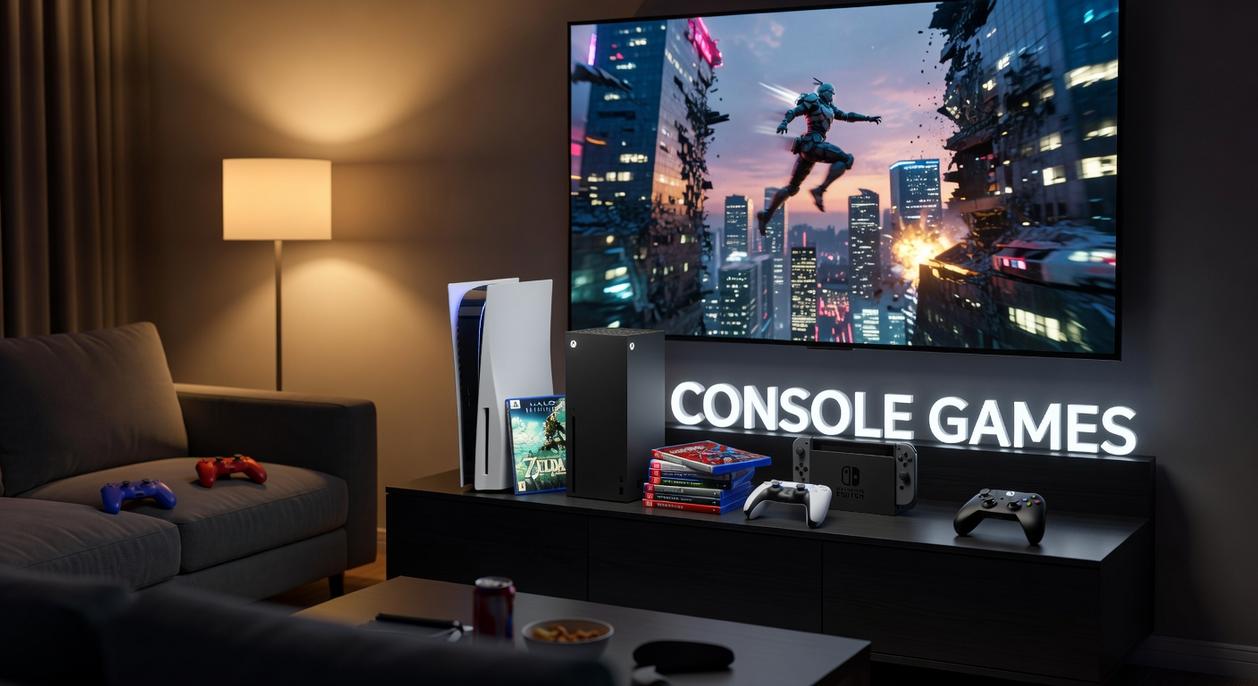
Paying full price for a game in 2026? That’s almost optional. With a little planning, you can consistently score serious discounts.
Utilize the Digital Wishlist
Your first move is simple: use the wishlist feature on the PlayStation Store, Xbox Store, and Nintendo eShop. When you add a game to your wishlist, you’ll receive notifications the moment it goes on sale. It’s passive savings. No spreadsheets required.
Pro tip: Add games the day they’re announced. Big titles often see their first discount within 3–6 months.
Know the Major Sale Seasons
Timing matters. The biggest discounts usually appear during:
- Steam Summer and Winter Sales (console storefronts often mirror these deals)
- Black Friday
- End-of-Year and Holiday sales
If you can wait, you’ll often save 30–70%. (Yes, even that blockbuster everyone’s streaming.)
Leverage Price-Tracking Websites
Third-party price trackers like Deku Deals (Nintendo) and PS Deals (PlayStation) monitor price history. These tools show the lowest recorded price and alert you when a game drops to that level again. That means no guessing—and no buyer’s remorse two weeks later.
Don’t Forget Physical and Pre-Owned
Digital is convenient, but physical copies still win on flexibility. Check Amazon, Best Buy, and GameStop for sales. Pre-owned copies can cut prices dramatically, sometimes within weeks of launch.
A smart console game buying guide always compares digital and physical before checkout. Do that consistently, and full price becomes the exception—not the rule.
Deluxe, Gold, or Standard? Navigating Game Editions & Subscriptions
First, let’s decode the labels. Standard editions include just the base game. Deluxe editions usually add cosmetic items (skins, soundtracks, digital artbooks). Gold or Ultimate editions bundle the base game plus a season pass—a prepaid package of future DLC (downloadable content, meaning extra missions, characters, or expansions released later).
Here’s the recommendation: start with Standard. In most cases, it’s cheaper to buy DLC later—if you even want it. (We’ve all pre-paid for expansions we never touched.) Unless you’re a die-hard fan, patience saves money.
On the other hand, subscriptions like Xbox Game Pass or PlayStation Plus Extra shift gaming from ownership to access. For the price of 2–3 new games yearly, you unlock hundreds. That’s a serious value pivot.
So, who should subscribe?
- Do you play 5–10+ games a year?
- Do you experiment with genres?
- Do you rarely replay titles long-term?
If yes, subscribe. If not, stick to targeted purchases—and use a solid console game buying guide before checkout.
Your next favorite game doesn’t have to be a gamble. By combining thorough research, choosing between digital and physical formats, hunting for deals, and understanding subscriptions and seasonal sales, you take control of your spending. This console game buying guide removes the anxiety of paying full price for a title that gathers dust after one weekend. Instead, you become an informed buyer, curating a library you actually love.
Speculation: As pricing models shift toward bundles and cloud access, smart shoppers will save even more.
- Use this checklist before your very next purchase and feel the difference immediately right now.
Level Up Your Next Game Purchase
You came here looking for clarity in a crowded market—and now you have it. From understanding performance differences and multiplayer meta shifts to knowing which features actually matter for your setup, you’re no longer guessing your way through the store page.
Choosing the wrong title wastes time, money, and storage space. Worse, it kills the excitement you were chasing in the first place. With the insights from this console game buying guide, you can avoid overhyped releases, skip poor optimizations, and confidently pick games that match your playstyle and hardware.
Now take action. Compare your top picks against the criteria we covered, check current performance updates, and lock in the title that truly fits your gaming goals.
Serious players trust our breakdowns because we cut through the noise and focus on what actually impacts your experience. Don’t risk another disappointing download—use this guide, make the smart choice, and jump into a game that’s worth every second.