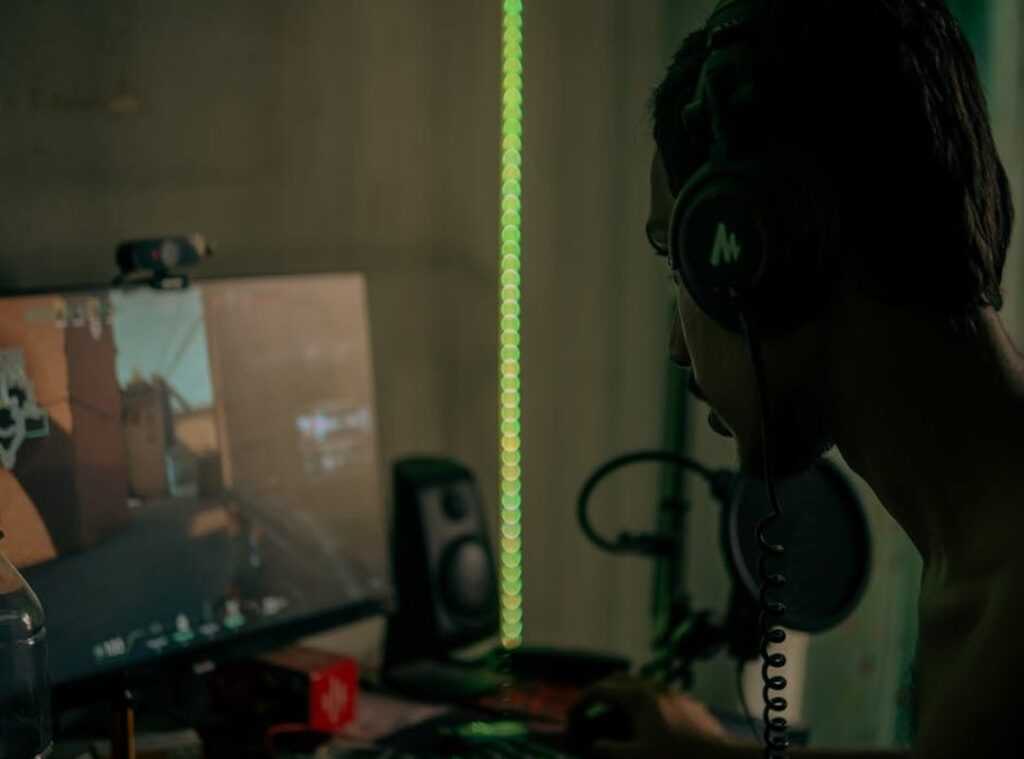

Gaming is no longer shaped solely by studios behind closed doors. Increasingly, the most innovative mechanics, balance changes, and expansions are born from the players themselves. From mods that redefine entire genres to fan feedback that reshapes live-service roadmaps, community-driven game updates are transforming how virtual worlds evolve. This shift answers a growing frustration with static experiences and official patches that miss what players truly want. In this deep dive, we explore how communities are becoming co-creators, the tools enabling this movement, and the far-reaching impact it’s having on game design, player engagement, and the future of the industry.
Defining the Movement: Beyond Simple Mods
First, let’s define collaborative game enhancements. The term refers to a spectrum of player-made improvements, ranging from unofficial patches that fix lingering bugs to total conversion projects that transform a game into something entirely new. In other words, this isn’t just a new sword skin; it can be a full reimagining.
For example, Bethesda titles like Skyrim often receive unofficial patches created by fans to resolve glitches the original developers never addressed (Bethesda’s modding scene is widely documented by outlets like PC Gamer). On the other end, total conversions such as Enderal rebuild mechanics, quests, and progression systems from the ground up.
However, these projects are rarely solo efforts. Instead, teams coordinate on GitHub and Discord, where programmers handle scripts, artists craft assets, and testers squash bugs in organized sprints. That structure is what separates a quick cosmetic tweak from deep, systemic change.
So how can you tell the difference? Check the mod page for changelogs, contributor lists, and scope statements. If it alters balance, AI behavior, or adds dozens of hours of quests, you’re likely looking at community-driven game updates rather than a simple reskin. Always read installation instructions before downloading any mod.
Case Studies: When the Community Built a Better Game
Case Study 1: Foundational Tools – The Skyrim Script Extender (SKSE)
Most players think mods begin with flashy new quests or photorealistic textures. They don’t. They begin with infrastructure. The Skyrim Script Extender (SKSE) is a community-built framework that expands the game’s scripting capabilities—meaning it adds new instructions the base engine was never designed to process. On its own, SKSE changes nothing visually. But it enables thousands of advanced mods, from complex UI overhauls to entirely new combat systems.
Critics argue that relying on unofficial tools fragments the player base and risks instability. Fair point—unsupported code can break after updates. Yet SKSE demonstrates a unique competitive advantage: collaborative infrastructure development at scale. Instead of waiting for official patches, modders built the backbone themselves. The result? An ecosystem Bethesda never formally planned, sustained for over a decade. (That’s not a patch—that’s a parallel development track.)
Case Study 2: Competitive Metagame Overhaul – Project M
When Super Smash Bros. Brawl slowed down its physics compared to Melee, competitive players felt alienated. Enter Project M, a fan-led overhaul that re-engineered movement speed, hitstun (the time a character is immobilized after being hit), and character balance.
Opponents claimed it split the competitive scene. Instead, it revealed something publishers often overlook: players will rebuild mechanics to preserve depth. Project M tournaments thrived for years, proving that:
- Balance can be community-validated
- Physics tuning shapes long-term meta health
- Grassroots scenes can outlast official support
It wasn’t nostalgia. It was systems design refinement.
Case Study 3: Genre Creation – DayZ
Before battle royale saturation, there was DayZ, a mod for Arma 2 that prioritized scarcity, permadeath, and emergent storytelling. Permadeath means losing your character permanently upon death—no respawn safety net.
Some dismissed it as janky and punishing. True. But through community-driven game updates on public servers, mechanics evolved in real time. Player feedback shaped infection systems, loot tables, and PvP risk. That iterative loop created the blueprint for the modern survival genre.
DayZ didn’t just modify a game. It proved communities can prototype entire genres faster than studios.
The Mechanics of Collaboration: How These Projects Come to Life
The Digital Workshop
Mod projects thrive on three core platforms. Discord acts as mission control—channels for bug reports, asset reviews, and feature polls keep chaos organized (mostly). Pro tip: create separate channels for testing builds and feature ideas to prevent feedback from getting buried. GitHub manages version control, meaning every code change is tracked, reversible, and transparent. If you’re joining a project, learn basic pull request etiquette—it saves everyone hours. Finally, Nexus Mods handles distribution and feedback, where ratings and comments guide improvement through real-world player reactions.
Anatomy of a Mod Team
A typical volunteer team includes:
- Programmers scripting mechanics and systems
- 3D artists crafting weapons, environments, or character models
- Writers building quests and dialogue
- Beta testers stress-testing everything (and breaking it creatively)
Clear role definitions prevent overlap. Think of it like raid roles in an MMO—everyone succeeds when responsibilities are distinct.
The Iterative Process
Development cycles revolve around community-driven game updates. Teams release early builds, gather Discord/forum feedback, log GitHub issues, and patch accordingly. This mirrors how game developers balance multiplayer titles, as seen in how game developers balance multiplayer titles. Iterate, test, refine—repeat for months (sometimes years).
The Ripple Effect on the Gaming Industry
Modding communities turn good games into legends. Think of Doom and Half-Life, titles that refuse to fade away because fans keep rebuilding them with community-driven game updates and wild new modes. It is basically the Rocky montage of gaming; every comeback patch feels like another round in the ring. For aspiring developers, mods double as a proving ground, a playable résumé that studios actually notice. Many industry veterans started by tweaking maps or balancing weapons before landing full-time roles. Studios now fold fan fixes into official patches, proving collaboration shapes modern design philosophy.
By actively listening to player feedback, developers not only enhance gameplay experiences but also influence pivotal updates, such as those seen in popular titles like ‘Get Dorgenven‘.
The Future of Gaming is Co-Created
The line between player and creator is permanently blurred. The most enduring digital worlds are powered by community-driven game updates, where passionate fans build, refine, and reimagine the experiences they love. If you’ve ever felt frustrated by a stale meta or untapped potential, the solution often lives within that dedicated community.
This collaborative spirit pushes the entire medium forward, ensuring games evolve in bold, unexpected ways. Don’t just play—participate. Explore the enhancement community around your favorite titles today and see why the most innovative games are shaped by the players themselves.
 Ask Laurienna Christensensora how they got into console releases and reviews and you'll probably get a longer answer than you expected. The short version: Laurienna started doing it, got genuinely hooked, and at some point realized they had accumulated enough hard-won knowledge that it would be a waste not to share it. So they started writing.
What makes Laurienna worth reading is that they skips the obvious stuff. Nobody needs another surface-level take on Console Releases and Reviews, Dorgenven Multiplayer Meta Explored, Gaming Mechanics and Strategies. What readers actually want is the nuance — the part that only becomes clear after you've made a few mistakes and figured out why. That's the territory Laurienna operates in. The writing is direct, occasionally blunt, and always built around what's actually true rather than what sounds good in an article. They has little patience for filler, which means they's pieces tend to be denser with real information than the average post on the same subject.
Laurienna doesn't write to impress anyone. They writes because they has things to say that they genuinely thinks people should hear. That motivation — basic as it sounds — produces something noticeably different from content written for clicks or word count. Readers pick up on it. The comments on Laurienna's work tend to reflect that.
Ask Laurienna Christensensora how they got into console releases and reviews and you'll probably get a longer answer than you expected. The short version: Laurienna started doing it, got genuinely hooked, and at some point realized they had accumulated enough hard-won knowledge that it would be a waste not to share it. So they started writing.
What makes Laurienna worth reading is that they skips the obvious stuff. Nobody needs another surface-level take on Console Releases and Reviews, Dorgenven Multiplayer Meta Explored, Gaming Mechanics and Strategies. What readers actually want is the nuance — the part that only becomes clear after you've made a few mistakes and figured out why. That's the territory Laurienna operates in. The writing is direct, occasionally blunt, and always built around what's actually true rather than what sounds good in an article. They has little patience for filler, which means they's pieces tend to be denser with real information than the average post on the same subject.
Laurienna doesn't write to impress anyone. They writes because they has things to say that they genuinely thinks people should hear. That motivation — basic as it sounds — produces something noticeably different from content written for clicks or word count. Readers pick up on it. The comments on Laurienna's work tend to reflect that.