
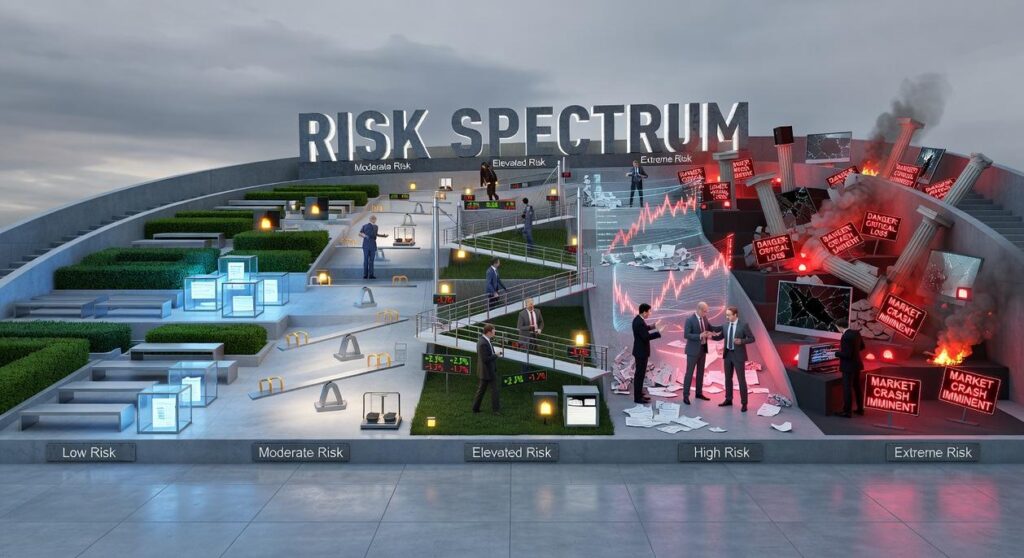
If you’ve been searching for a clear breakdown of how modern games hook players and keep them invested, you’re in the right place. Today’s most talked‑about titles aren’t just visually impressive—they’re carefully engineered around mechanics that reward smart decisions and punish careless ones. At the center of that design philosophy is risk reward gameplay balance, a system that determines whether a match feels fair, frustrating, or deeply satisfying.
This article explores how trending games implement these mechanics, how they influence multiplayer metas, and what they mean for your overall performance. We’ll also look at how console optimization and mechanical design choices shape the experience across platforms.
Our analysis draws from hands‑on testing, competitive match reviews, and ongoing monitoring of player data and patch updates. The goal is simple: give you practical insight into how these systems work so you can adapt faster, play smarter, and stay ahead of the curve.
Back in 2019, when battle royales dominated Twitch, players noticed something odd: the same weapons felt thrilling in one patch and pointless three months later. The difference wasn’t graphics or lore; it was risk reward gameplay balance. In other words, designers weigh potential gain against possible loss.
At first, some argue great stories alone create satisfaction. However, even cinematic hits collapse if victories feel cheap. Conversely, punishing systems without payoff feel unfair (we’ve all rage-quit).
After months of testing metas, patterns emerge: clear stakes, meaningful consequences, and rewards that justify danger keep players engaged long-term. That balance builds lasting loyalty.
Defining the Core Loop: What Is a “Fair” Trade?\n\nAt its heart, a fair trade in game design comes down to one equation: does the potential reward justify the potential danger or cost? In other words, players constantly evaluate whether a choice feels worth it. If the answer is yes, the loop works. If not, frustration sets in (and controllers get tossed).\n\n### Combat: The Greatsword vs. The Dagger\n\nConsider a high-damage, slow-swinging greatsword. Its feature is raw power—massive damage per hit. However, the detail that matters is vulnerability during each swing. Miss your timing, and you’re exposed. By contrast, a low-damage, fast dagger offers speed and mobility but demands more successful strikes. The benefit? Players can choose a style that matches their skill. The system supports risk reward gameplay balance by ensuring both weapons are viable, just in different hands.\n\n### Exploration: The Optional High-Level Dungeon\n\nNow shift to exploration. A hidden, high-level dungeon advertises rare loot and unique resources. The cost? Brutal enemies and potential loss of progress. Some argue true fairness requires perfect numerical balance. However, perception matters more. If players believe their preparation, strategy, and timing influenced the outcome, the trade feels fair—even if they fail.\n\nUltimately, fairness isn’t just math. It’s agency. Players must feel their choice mattered.
The Spectrum of Stakes: Deconstructing Risk and Reward
When players think about risk, they often picture a shrinking health bar. However, the spectrum of stakes is much broader—and understanding it makes you a smarter, more strategic player.
Types of Risk
Time Investment: Grinding for a rare mount or finishing a 40-hour questline is a gamble. If the reward disappoints, that’s time you can’t reclaim. Yet when it pays off, the satisfaction feels earned (and brag-worthy).
Resource Cost: Crafting systems often require rare materials with randomized outcomes. Spend everything for a sword with perfect stats—or end up with vendor trash. This uncertainty keeps economies alive and decisions meaningful. Pro tip: Always calculate opportunity cost before committing scarce materials.
Tactical Risk: In competitive shooters, taking a risky flank can expose you—or secure a match-winning play. It’s the classic high-ground dilemma straight out of a battle royale finale.
Types of Reward
In contrast, rewards go far beyond loot drops.
Intrinsic Rewards: Mastery, problem-solving, and narrative discovery drive long-term engagement. Beating a punishing boss delivers pride no item can replicate.
Extrinsic Rewards: Better gear, currency, cosmetics, and stat boosts provide visible progression. These rewards fuel motivation loops supported by behavioral psychology research (Deci & Ryan, 2000).
Strategic Rewards: Unlocking shortcuts, new regions, or mechanics expands future possibilities—think Metroidvania backtracking done right.
Ultimately, strong risk reward gameplay balance ensures every gamble feels intentional. When you understand these layers, you make sharper decisions, optimize progression, and appreciate design nuance. For deeper context, revisit understanding core game mechanics a beginners guide to see how these systems interlock and elevate your overall play experience.
Risk vs. Reward Across Game Genres
Every great game understands one thing: tension drives engagement. At the heart of that tension is risk reward gameplay balance—the invisible math that makes victory feel earned instead of handed out.
Consider how different genres prove this principle.
-
Souls-likes (Elden Ring) – When you die, you drop your accumulated currency and must retrieve it without dying again. That mechanic alone creates measurable tension. Bandai Namco reported Elden Ring surpassed 20 million copies sold in its first year (2023), suggesting players actively embrace punishing stakes. The risk isn’t theoretical; it’s mechanical and immediate.
-
Loot Shooters (Destiny, Borderlands) – Bungie’s raid completion data consistently shows a small percentage of players finish high-end raids, yet those activities offer the best loot. The rarity of a “god-roll” weapon (ideal perk combination) statistically reinforces replayability. Time investment becomes the gamble.
-
Roguelikes (Hades, Slay the Spire) – Each branching path offers probabilities: fight an Elite for a powerful relic or preserve health for the boss. Supergiant Games noted that Hades players averaged dozens of runs before their first clear. Failure isn’t punishment—it’s progression with stakes.
-
Multiplayer Shooters (Valorant, Call of Duty) – The “eco-round” strategy proves calculated sacrifice works. Teams intentionally use weaker gear to maximize future buying power. Esports analysts frequently attribute comeback wins to disciplined economy management (yes, sometimes losing now is winning later).
Some argue high risk alienates casual players. Fair. Excessive punishment can shrink an audience. Yet data across these genres shows that when consequences feel fair—and rewards scale appropriately—players lean in, not out. (Because nobody brags about an easy win.)
When the Balance Breaks: Common Design Pitfalls
Unrewarding risk shows up as bullet sponge enemies that demand perfect play yet drop bargain-bin loot. A vs B: high effort, low reward feels punishing; fair effort, meaningful reward feels heroic.
• Low-risk, high-reward cheese strategies flip that equation, letting players farm endgame gear with starter tactics.
Randomness overkill (RNG) is the third offender. If luck eclipses mastery, skill becomes cosmetic.
True risk reward gameplay balance aligns challenge with payout, so time invested equals value returned. Designers who ignore this create grind or giveaways (neither is satisfying). Players quickly notice the difference immediately.
Great games hinge on meaningful decisions. Researchers studying player engagement at the University of York found that perceived fairness strongly predicts long-term enjoyment. In other words, when players believe outcomes reflect their choices, they stay invested. That’s the heart of risk reward gameplay balance. Consider competitive titles like League of Legends: diving under a turret can secure a win, but miscalculate and you hand over gold. Meanwhile, roguelikes such as Hades reward daring builds with explosive power, yet punish sloppy play. Critics argue randomness undermines fairness; however, data from player retention studies shows balanced uncertainty increases replayability. Next session, watch
Mastering the Balance That Wins More Games
You came here to understand how to navigate today’s evolving gameplay systems and sharpen your edge. Now you have a clearer picture of how mechanics, multiplayer meta shifts, and smart optimization all connect to one core principle: risk reward gameplay balance.
When that balance is off, frustration sets in. Matches feel unfair. Progress stalls. Time feels wasted. But when you recognize how risk and reward interact—when to push, when to hold, when to optimize—you stop reacting and start controlling outcomes.
The difference between average players and consistent winners isn’t luck. It’s informed decision-making backed by insight into trends, mechanics, and performance tweaks that actually matter.
If you’re tired of guessing and want a smarter way to compete, start applying these strategies in your next session. Dive deeper into the latest meta breakdowns, optimization guides, and console performance insights to stay ahead of every patch and update.
Don’t let imbalance cost you another match. Level up your strategy now and stay ahead of the competition with proven, player-focused insights trusted by a growing community of competitive gamers.
 Valdran Vosswyn is the kind of writer who genuinely cannot publish something without checking it twice. Maybe three times. They came to level-up optimization tips through years of hands-on work rather than theory, which means the things they writes about — Level-Up Optimization Tips, Trending Game Buzz, Console Releases and Reviews, among other areas — are things they has actually tested, questioned, and revised opinions on more than once.
That shows in the work. Valdran's pieces tend to go a level deeper than most. Not in a way that becomes unreadable, but in a way that makes you realize you'd been missing something important. They has a habit of finding the detail that everybody else glosses over and making it the center of the story — which sounds simple, but takes a rare combination of curiosity and patience to pull off consistently. The writing never feels rushed. It feels like someone who sat with the subject long enough to actually understand it.
Outside of specific topics, what Valdran cares about most is whether the reader walks away with something useful. Not impressed. Not entertained. Useful. That's a harder bar to clear than it sounds, and they clears it more often than not — which is why readers tend to remember Valdran's articles long after they've forgotten the headline.
Valdran Vosswyn is the kind of writer who genuinely cannot publish something without checking it twice. Maybe three times. They came to level-up optimization tips through years of hands-on work rather than theory, which means the things they writes about — Level-Up Optimization Tips, Trending Game Buzz, Console Releases and Reviews, among other areas — are things they has actually tested, questioned, and revised opinions on more than once.
That shows in the work. Valdran's pieces tend to go a level deeper than most. Not in a way that becomes unreadable, but in a way that makes you realize you'd been missing something important. They has a habit of finding the detail that everybody else glosses over and making it the center of the story — which sounds simple, but takes a rare combination of curiosity and patience to pull off consistently. The writing never feels rushed. It feels like someone who sat with the subject long enough to actually understand it.
Outside of specific topics, what Valdran cares about most is whether the reader walks away with something useful. Not impressed. Not entertained. Useful. That's a harder bar to clear than it sounds, and they clears it more often than not — which is why readers tend to remember Valdran's articles long after they've forgotten the headline.