
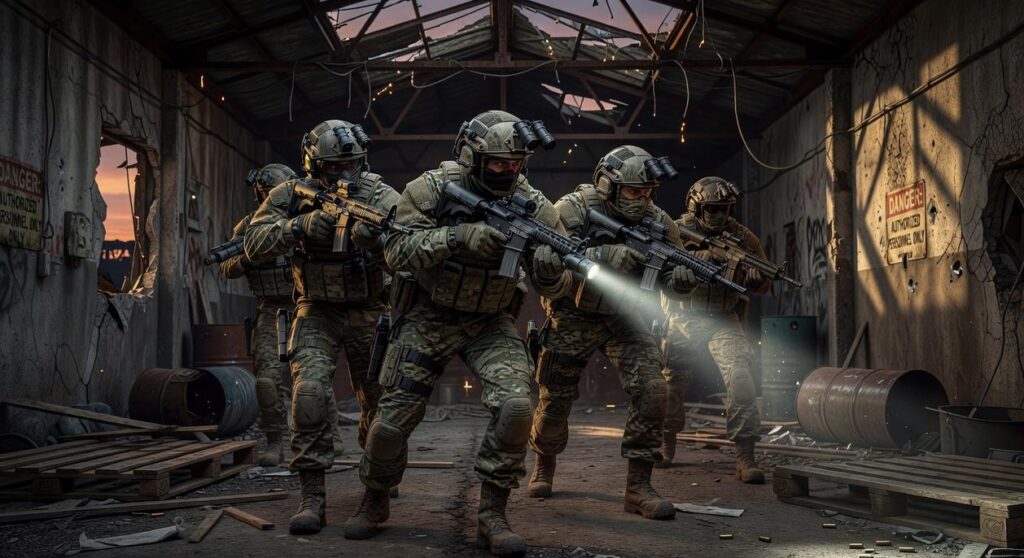
Thousands of titles launch every year, yet only a handful of viral video games dominate conversations, streams, and player communities worldwide. So what separates a fleeting trend from a genre-defining hit? This article goes beyond surface-level popularity to examine the mechanics, gameplay loops, reward systems, and community dynamics that drive lasting success. By breaking down the current online gaming landscape, we’ll explain why certain games capture global attention—and how to identify the experiences that best match your playstyle. Grounded in design principles and player engagement strategy, this guide helps you recognize what truly makes a game worth your time.
The Last Player Standing: How Battle Royales Master Tension and Skill
At the heart of every great Battle Royale is a deceptively simple loop: drop in, scavenge, survive. The twist? A shrinking map and permanent elimination. That “single-life tension” (meaning you’re out for good once defeated) transforms every footstep into a risk calculation. As the safe zone collapses, player density increases, forcing encounters that feel both inevitable and electric. It’s survival storytelling in real time.
However, not all Battle Royales feel the same—and that’s where the meta comes in. The meta refers to the most effective tactics available at a given time. Fortnite’s building system rewards fast thinkers who can construct defenses mid-fight. Apex Legends leans into hero-based abilities and fluid movement, encouraging coordinated team play. Meanwhile, Warzone prioritizes realistic loadouts and gunplay, appealing to players who value tactical precision. If you prefer creativity, choose Fortnite. If teamwork and mobility excite you, try Apex. If you want grounded firefights, Warzone is your lane.
Just as importantly, these design choices fuel watchability. High-skill ceilings, clutch final circles, and unpredictable outcomes make them staples among viral video games on Twitch and YouTube. Viewers tune in for the same reason players queue again: anything can happen.
That said, skill alone isn’t enough. Low latency (minimal delay between input and action) and high frame rates are critical. If you’re serious, prioritize a stable internet connection and a monitor with at least 144Hz. In a genre where milliseconds decide victory, optimization isn’t optional—it’s strategy.
Precision and Strategy: The Unwavering Appeal of Tactical Shooters
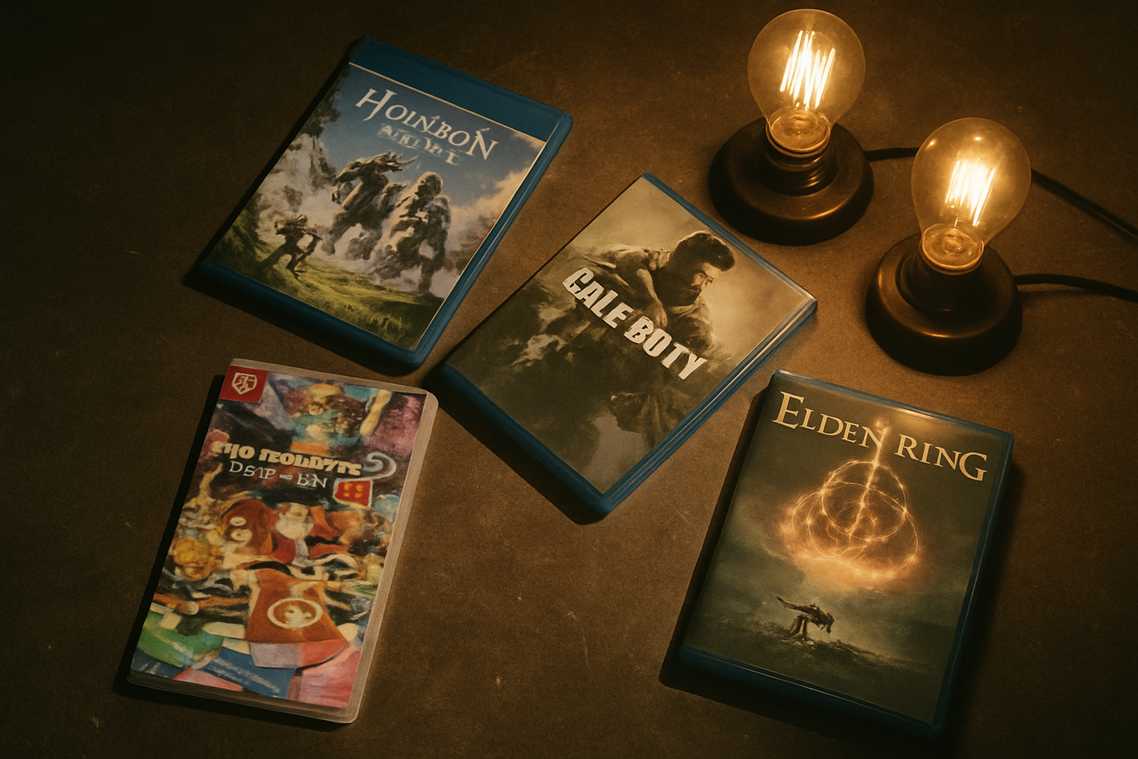
At first glance, tactical shooters can look like any other first-person shooter. However, the core mechanic tells a different story. Titles like Valorant and Counter-Strike 2 revolve around methodical, high-lethality gameplay—meaning a single well-placed shot can eliminate an opponent instantly. There’s no room for reckless sprinting or “spray and pray” chaos (this isn’t an action movie where everyone somehow survives a hail of bullets).
To clarify, map control refers to strategically holding key areas of a map to limit enemy movement and gather information. Economic management is the in-game currency system that forces teams to decide when to buy weapons or save for future rounds. These layered systems reward patience and planning over raw aggression. Precise aim matters, but so does timing, positioning, and communication.
Because of this design, tactical shooters have extraordinarily high skill ceilings—the theoretical limit of player mastery. In practice, that means even after thousands of hours, players can still improve. As a result, dedicated communities form around strategy breakdowns, aim training, and climbing ranked ladders. It’s less about flashy moments and more about consistent execution.
Historically, the genre has thrived on PC due to mouse-and-keyboard precision. Yet recently, developers have experimented with controller-friendly adaptations, attempting to bring a comparable experience to consoles. This shift parallels broader industry conversations, including the rise of cross platform play in modern gaming.
Finally, massive esports ecosystems fuel ongoing popularity. Professional tournaments don’t just entertain—they shape the meta (the most effective tactics available) and inspire everyday players chasing mastery in a field crowded with viral video games.
I still remember my first all-night raid in Final Fantasy XIV. Eight of us, scattered across time zones, wiping again and again at 2 a.m.—and somehow laughing harder each time. That’s when it clicked: MMOs and live service games aren’t just games. They’re living worlds.
At their core, these titles embrace the “game as a hobby” model—a design philosophy where a game isn’t meant to be finished but inhabited. Instead of a tidy end credits roll, you get long-term character progression (the steady growth of skills, gear, and identity over months or years) inside evolving worlds like World of Warcraft, Destiny 2, and Genshin Impact. In other words, you log in not just to win, but to belong.
Social Bonds as the Real Endgame
However, critics argue this model can feel like a treadmill—constant updates, endless grinding. That’s fair. Yet what keeps players subscribed isn’t just loot; it’s people. Guilds, clans, and static raid groups create shared accountability. When eight players must coordinate precise mechanics—rotating cooldowns, solving environmental puzzles, executing damage phases—communication becomes the true boss fight. (Nothing tests friendship like a missed heal at 1% health.)
Meanwhile, the live service model funds this ecosystem. Seasonal passes, cosmetic economies, and regular content drops transform a one-time purchase into years of evolving narrative. Some call it monetization creep; others see sustainable development. The difference often lies in transparency and value delivered.
Pro tip: join an active guild early. Social roots dramatically increase retention, according to multiplayer engagement studies (Entertainment Software Association, 2023).
That’s why viral video games fade—but living worlds endure.
The Viral Breakouts: How Indie Co-op Games Redefined Fun
Games like Helldivers 2 and Lethal Company look simple, but their genius lies in a tight core mechanic—the main action players repeat. Instead of sprawling maps and 80-hour campaigns, they focus on short, chaotic missions built around teamwork (and frequent, hilarious failure).
What makes them explode online?
- Emergent gameplay: unscripted moments created by player interaction.
- Shared stories: disasters that turn into instant group legends.
These viral video games prove a clear hook beats bloated content. Some argue AAA polish matters more. Yet accessibility, lower prices, and unpredictable co-op chaos often deliver sharper, more memorable fun.
To understand the fascinating mechanics behind how these viral games capture millions of players overnight, it’s worth checking out Tgageeks Gaming Updates By Thegamearchives for the latest trends and insights in the gaming world.
Choosing Your Next Digital Battlefield
You set out to understand why some games dominate while others fade—and now you see it’s all about design, tension, strategy, and community. The real frustration isn’t a lack of options; it’s wasting time on the wrong one. Use what you’ve learned to choose a game that fits your style, not the hype. Ready to level up? Dive into deeper breakdowns and stay ahead of the meta with our expert gaming insights.
 There is a specific skill involved in explaining something clearly — one that is completely separate from actually knowing the subject. Larry Henryokson has both. They has spent years working with console releases and reviews in a hands-on capacity, and an equal amount of time figuring out how to translate that experience into writing that people with different backgrounds can actually absorb and use.
Larry tends to approach complex subjects — Console Releases and Reviews, Dorgenven Multiplayer Meta Explored, Gaming Mechanics and Strategies being good examples — by starting with what the reader already knows, then building outward from there rather than dropping them in the deep end. It sounds like a small thing. In practice it makes a significant difference in whether someone finishes the article or abandons it halfway through. They is also good at knowing when to stop — a surprisingly underrated skill. Some writers bury useful information under so many caveats and qualifications that the point disappears. Larry knows where the point is and gets there without too many detours.
The practical effect of all this is that people who read Larry's work tend to come away actually capable of doing something with it. Not just vaguely informed — actually capable. For a writer working in console releases and reviews, that is probably the best possible outcome, and it's the standard Larry holds they's own work to.
There is a specific skill involved in explaining something clearly — one that is completely separate from actually knowing the subject. Larry Henryokson has both. They has spent years working with console releases and reviews in a hands-on capacity, and an equal amount of time figuring out how to translate that experience into writing that people with different backgrounds can actually absorb and use.
Larry tends to approach complex subjects — Console Releases and Reviews, Dorgenven Multiplayer Meta Explored, Gaming Mechanics and Strategies being good examples — by starting with what the reader already knows, then building outward from there rather than dropping them in the deep end. It sounds like a small thing. In practice it makes a significant difference in whether someone finishes the article or abandons it halfway through. They is also good at knowing when to stop — a surprisingly underrated skill. Some writers bury useful information under so many caveats and qualifications that the point disappears. Larry knows where the point is and gets there without too many detours.
The practical effect of all this is that people who read Larry's work tend to come away actually capable of doing something with it. Not just vaguely informed — actually capable. For a writer working in console releases and reviews, that is probably the best possible outcome, and it's the standard Larry holds they's own work to.